Blog

The Prices of the Most Popular Products Tourists Buy in Belfast in 2026

So, you are heading to Belfast in 2026 and wondering: How much money am I realistically going to spend while wandering around the city with a coffee in one hand and a souvenir bag in the other?

I have good news for you: Belfast is still noticeably cheaper than cities like London or Dublin. The bad news? Once you start buying Titanic mugs, local whiskey, giant fry-ups, and “just one more pint,” your card can begin to smoke a little.

Before traveling, it is smart to check what things actually cost so you can enjoy the city without staring nervously at your banking app every 14 minutes.

If you want more inspiration about the city itself, attractions, and events, visit Belfast Guide and see Belfast attractions.


☕ Coffee Prices in Belfast

Let’s start with the survival essentials.

Belfast has become a surprisingly strong coffee city. Whether you sit in a trendy café near the Cathedral Quarter or grab a quick espresso at a chain café, prices are fairly reasonable compared to many Western European capitals.

Typical prices in 2026:

  • Espresso: £2.40–£3.20
  • Americano: £3–£3.80
  • Cappuccino or Caffè Latte: £3.50–£4.80
  • Fancy oat-milk caramel cinnamon cloud explosion latte: probably £5.50

If I buy coffee every day while visiting Belfast, I usually mentally prepare for about £25–£35 per week just on caffeine. And honestly? Worth it.


🍺 Beer Prices: Grocery Store vs Pub

This is where Belfast gets interesting.

Buying beer in supermarkets is still relatively affordable, but pub prices in 2026 have definitely climbed compared to a few years ago.

Grocery Store Prices

In stores such as Tesco, Lidl, or Spar:

  • Local beer can: £1.50–£3
  • Craft beer: £3–£5
  • Bottle of cider: £2–£3.50
  • Bottle of wine: £8–£15

Pub Prices

Now we enter dangerous territory.

  • Pint of Guinness: £5.80–£7
  • Local craft beer pint: £6.50–£8.50
  • Cocktail: £10–£14
  • Whiskey shot: £4–£8

You might walk into a pub thinking:

“I’ll just have one quick pint.”

Three hours later you are discussing Irish history with strangers while ordering loaded fries and another round.

Classic Belfast behavior.


🚕 Taxi Prices in Belfast

Thankfully, Belfast city center is quite compact, so taxi rides are usually not horrifying.

Typical 2026 taxi prices:

  • Short city-center ride: £6–£10
  • From city center to Titanic Quarter: £8–£12
  • Airport to city center: £35–£45
  • Late-night weekend taxi: add a few extra pounds

Uber is limited compared to some countries, so traditional taxis still dominate.

And yes, taxi drivers in Belfast often come with free storytelling included in the price.


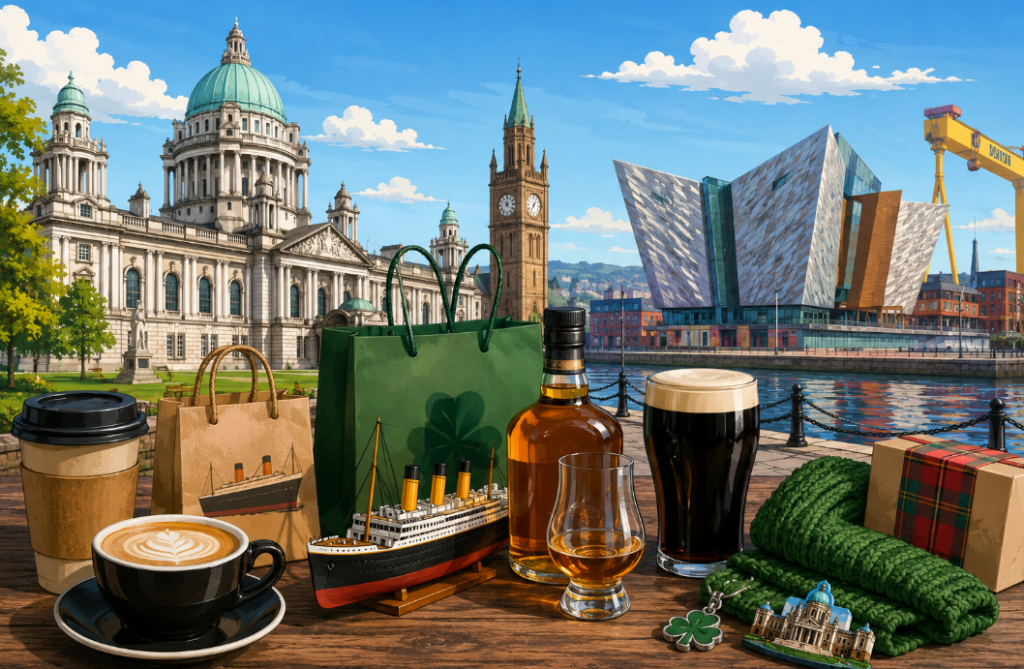
🛍️ Popular Souvenirs and Their Prices

Tourists absolutely love buying souvenirs in Belfast, especially anything connected to the Titanic, Irish culture, or local food and drink.

Here are some of the most common things people take home:

Titanic Souvenirs

Because Titanic Belfast is one of the city’s biggest attractions, Titanic-themed products are everywhere.

Typical prices:

  • Titanic mug: £8–£15
  • Fridge magnet: £3–£6
  • T-shirt: £18–£30
  • Replica posters/books: £10–£40

You may arrive home with enough Titanic merchandise to accidentally open your own museum.


🥃 Irish Whiskey

This is one of the most popular purchases for visitors.

Prices vary enormously depending on quality:

  • Basic bottle: £20–£35
  • Mid-range premium whiskey: £40–£70
  • Fancy collector bottles: £100+

The dangerous thing about whiskey shopping in Belfast is that “I’ll just browse” can suddenly become “Why am I carrying three bottles through the airport?”


🍫 Chocolate and Snacks

Local sweets and snacks are hugely popular because they are easy to transport and relatively cheap.

Typical prices:

  • Irish chocolate bars: £1.50–£4
  • Shortbread tins: £5–£12
  • Local crisps/snacks: £1–£3

Honestly, half my suitcase space disappears because of snacks every time.


🍔 Everyday Food Prices

Food prices in Belfast are still fairly tourist-friendly in 2026.

Fast Food

  • Burger meal: £8–£14
  • Fish and chips: £12–£18
  • Sandwich meal deal: £4–£6

Restaurant Prices

  • Casual restaurant main course: £14–£25
  • Steak dinner: £25–£40
  • Breakfast/fry-up: £10–£18

A full Northern Irish breakfast can keep you alive emotionally until dinner.


🚌 Public Transport Prices

Public transport is cheaper than taxis, obviously, and works quite well for tourists.

Typical prices:

  • Single bus ticket: £2.20–£2.80
  • Day pass: £4.50–£6
  • Train ticket to nearby towns: £8–£20

But honestly, much of central Belfast is walkable, which is excellent because walking helps financially recover from pub visits.


💳 So… How Much Money Should You Bring?

Here is my realistic personal estimate for 2026:

Budget Traveler

  • £60–£90 per day

Comfortable Tourist

  • £120–£220 per day

“I Deserve Everything” Traveler

  • £300+ per day

Belfast can absolutely be done on a budget, but the city has a sneaky talent for convincing you that another coffee, another pint, and another souvenir are all “essential cultural experiences.”

And somehow… they are.

Before traveling, it is worth browsing What’s happening in Belfast? to see if festivals, concerts, or major events might increase hotel and restaurant prices during your stay.

One thing is certain: Belfast is still one of the most enjoyable city destinations in the UK for travelers who want atmosphere, history, good food, friendly people, and prices that do not completely destroy the vacation budget.
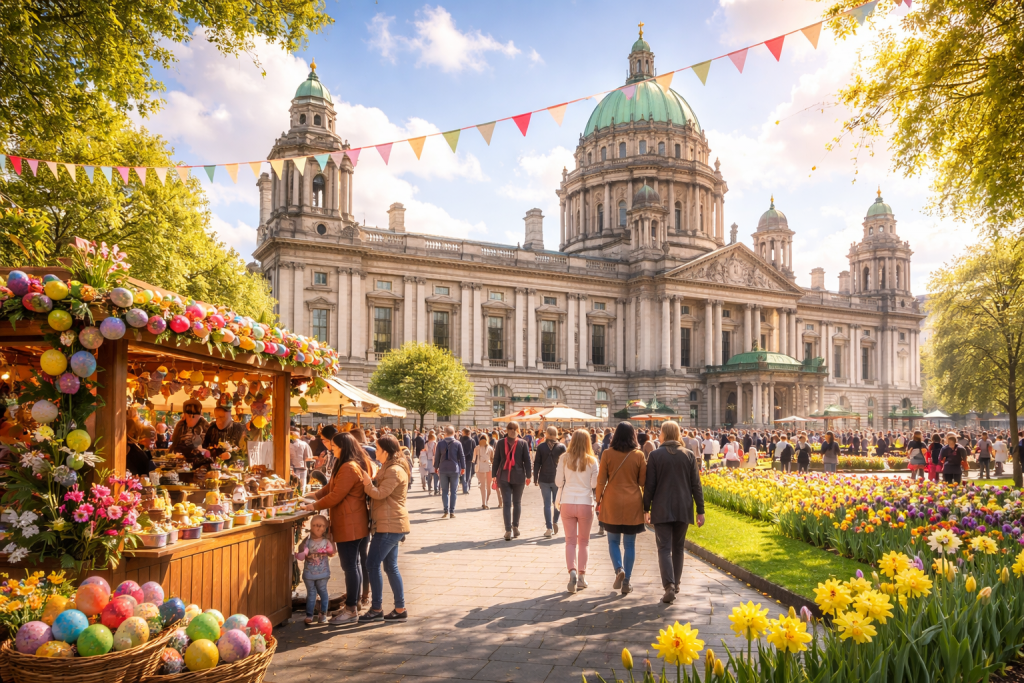
Opening times in Belfast during Easter

Are you planning an Easter escape to the vibrant streets of Belfast? You might be wondering if the city hits “pause” during the Holy Weekend or if the craic continues. Whether you’re here for the history, the food, or the famous Northern Irish hospitality, Belfast in the spring is a total dopamine hit!

Easter is a significant time in Northern Ireland, blending deep-rooted Christian traditions with a modern, bustling city energy. While the city honors the Resurrection of Jesus Christ with church services and a slightly slower pace, there is still plenty of life and excitement to be found from Good Friday through to Easter Monday.

If you want to explore more about the city before your trip, check out the Belfast Guide for inspiration and ideas.


The Weekend Rhythm: What’s Open?

Navigating Belfast during the Easter holidays is quite straightforward once you understand the local rhythm. Compared to many European cities, Belfast remains relatively lively throughout the weekend.

  • Good Friday: This is a public holiday in Northern Ireland. Most shopping centres (like Victoria Square and CastleCourt), restaurants, and cafés are open, though sometimes with reduced hours. Pubs are typically open as well, but may follow slightly different trading hours than usual.
  • Easter Saturday: Business as usual. Shops, attractions, and restaurants are fully open, and places like St George’s Market are typically operating (though always worth checking seasonal schedules).
  • Easter Sunday: This is the most restricted day. By law, large shops and supermarkets are closed. However, smaller convenience stores, cafés, restaurants, and many tourist attractions remain open, especially in central areas.
  • Easter Monday: A public holiday with a relaxed vibe. Many shops reopen (often with Sunday-style hours), attractions are open, and locals head outdoors if the weather cooperates.

For current happenings during your visit, take a look at what’s happening in Belfast.


Must-See Attractions: Titanic Belfast and More

If you are in Belfast during Easter—especially on Easter Sunday—you will be happy to know that most major attractions remain open.

The highlight is undoubtedly Titanic Belfast, located in the Titanic Quarter. This world-class museum is generally open throughout the Easter weekend, including Easter Sunday (though opening hours may vary slightly).

It is an immersive experience telling the story of the RMS Titanic, built right here in Belfast. Expect interactive exhibitions, recreated shipyard scenes, and a deep dive into one of the most famous maritime stories in history.

You can discover more top places to visit in the city in this guide to Belfast attractions.


Dining and Nightlife

Belfast’s food and nightlife scene stays vibrant throughout Easter. From hearty Ulster Fry breakfasts to modern dining experiences, there is no shortage of options.

Restaurants, pubs, and bars are generally open across the entire weekend, including Easter Sunday. In fact, evenings—especially Sunday and Monday—can be surprisingly lively, with many pubs offering live music sessions.

Just keep in mind that Easter Sunday is a popular day for family meals, so booking ahead is highly recommended if you have a specific restaurant in mind.


Expert Travel Tips

  • Book Ahead: Easter Sunday lunch is popular—reserve your table early to avoid disappointment.
  • Check Opening Hours: While most attractions are open, some may operate with reduced holiday hours.
  • Public Transport: Public transport (Translink buses and trains) runs on holiday timetables on Good Friday and Easter Monday. Plan ahead if you are heading outside the city, for example to the Giant’s Causeway.
  • Enjoy the Outdoors: Spring is a great time to explore Botanic Gardens or walk along the River Lagan.

Final Thoughts

Belfast during Easter strikes a perfect balance: a touch of tradition, a slower rhythm on Sunday, but plenty of energy, culture, and things to do throughout the long weekend.

Whether you are exploring historic sites, enjoying live music in a pub, or simply soaking in the spring atmosphere, Belfast delivers a memorable Easter experience.

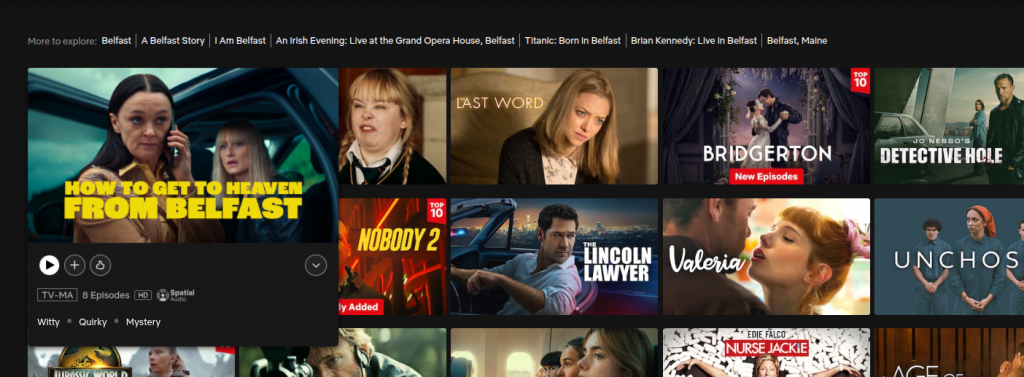
The Netflix Series How to Get to Heaven from Belfast – Is It Really About Belfast?

The new TV series How to Get to Heaven from Belfast has caught the attention of many viewers browsing Netflix and other streaming platforms. With a title like that, it almost sounds like a travel guide disguised as a drama. But what is the series really about? Is it actually set in Belfast? And can fans of the city recognize familiar streets and landmarks while watching?

Let’s take a closer look.

Is How to Get to Heaven from Belfast Actually a Netflix Series?

Despite many viewers discovering the show through streaming services, How to Get to Heaven from Belfast is not originally a Netflix production. The series was produced for the British broadcaster Channel 4, which commissioned the drama as one of its original shows.

However, like many successful British TV productions, the series is distributed internationally through streaming platforms. In some countries it appears in the Netflix catalogue, while in others it can be streamed on different platforms. This is why many viewers assume it is a Netflix series, even though Netflix was not involved in producing it.

The story is based on the bestselling novel by Janice Hallett, a writer known for her clever mysteries and surprising plot twists.

What Is the Story About?

How to Get to Heaven from Belfast tells the story of three women who grew up together in Belfast but whose lives have taken very different paths.

When their childhood friend suddenly dies under mysterious circumstances, the three return to Belfast for the funeral. What starts as an emotional reunion soon becomes something much darker.

As they begin to investigate what really happened to their friend, secrets from their past start to emerge. Old tensions return, memories resurface, and the women realize that their friend may have been involved in something far more complicated than they first believed.

The series blends several genres:

  • Mystery
  • Dark comedy
  • Psychological drama
  • Friendship and relationship drama

The result is a show that is both suspenseful and emotionally engaging, with plenty of unexpected twists.

Was the Series Filmed in Belfast?

Yes — and that is one of the most exciting aspects of the show.

Large parts of How to Get to Heaven from Belfast were filmed on location in Belfast, allowing the production team to capture the real atmosphere of the city. Instead of building artificial studio sets, the creators chose to film in authentic streets and neighbourhoods.

This gives the series a much more realistic feeling and allows viewers to see the city as it really looks.

If you want to explore the real places behind the show, you can learn more about the city in the Belfast Guide.

Can You Recognize Belfast in the Series?

Absolutely.

The city of Belfast plays an important role in the atmosphere of the series. While the story focuses on the relationships between the main characters, the setting adds depth and authenticity.

Viewers may recognize elements such as:

  • traditional red-brick terraced streets
  • local neighbourhood pubs
  • parks and residential areas
  • the unique urban landscape of Northern Ireland’s capital

For people who have visited Belfast before, spotting familiar streets and locations can become part of the fun while watching the show.

Other TV Series Where You Can Clearly See Belfast

If this series sparks your curiosity about Belfast, there are several other popular TV productions where the city appears very clearly on screen.

The Fall

One of the most famous TV dramas filmed in Belfast is The Fall, starring Gillian Anderson and Jamie Dornan.

This psychological crime thriller follows a detective investigating a serial killer in Belfast. Many scenes were filmed in real locations across the city, making Belfast a central character in the show.

Blue Lights

Blue Lights is a modern police drama that offers one of the most authentic portrayals of Belfast on television.

The series follows rookie police officers working in the city and dealing with the challenges of policing in a place shaped by history and social tension. It has been widely praised for its realism and gripping storytelling.

Derry Girls

While Derry Girls is set in the nearby city of Derry/Londonderry, parts of the production were filmed in Belfast.

The series became an international hit thanks to its humour and its portrayal of teenagers growing up in Northern Ireland during the final years of the Troubles.

Discover Belfast Beyond the Screen

TV series like How to Get to Heaven from Belfast show how visually interesting and atmospheric Belfast can be as a filming location.

The city has a fascinating mix of history, culture, and modern life, which makes it attractive not only for visitors but also for filmmakers.

If the series leaves you curious about the real city behind the scenes, you can explore attractions, neighbourhoods, and travel tips in the Belfast Guide or see what is happening right now in the events calendar for Belfast.

And who knows — the next time you watch a crime drama or mystery series, you might recognize Belfast again.

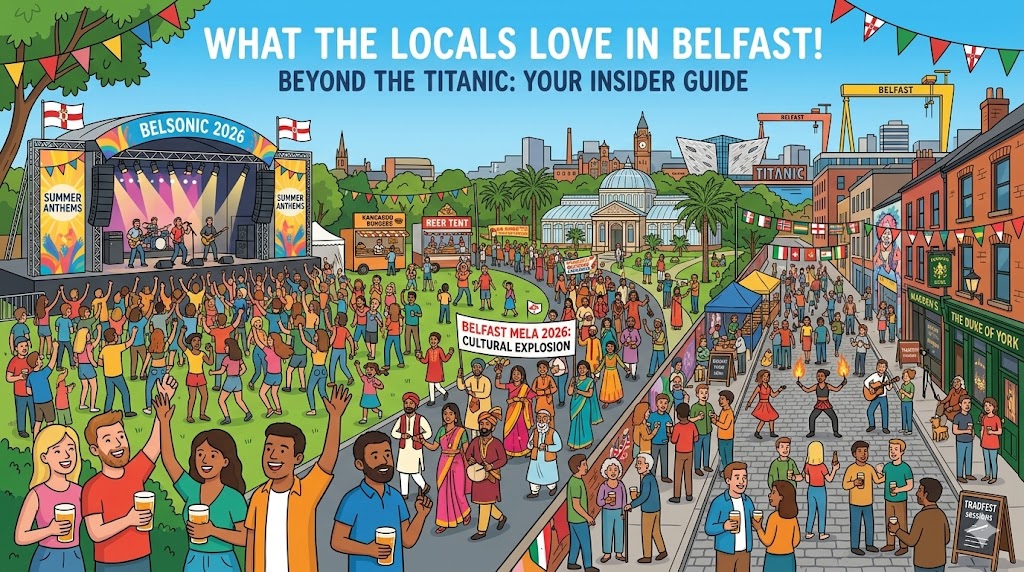
Beyond the Titanic: What Belfast Locals Are Actually Excited for in 2026

Let’s be honest: if you live in Belfast, you probably haven’t stepped foot inside Titanic Belfast since your cousins visited from Australia three years ago. You’ve seen the yellow cranes of Samson and Goliath every day of your life, and while they’re iconic, they don’t exactly get your heart racing anymore. Tourists come for the history and the murals; locals stay for the “craic” and the culture.

So, what are the people who actually call “Belfast City” home marking in their 2026 calendars? While the city is famous for its troubled past and its shipbuilding legacy, the local heart beats for massive street parties, world-class music, and events that bring the community together over a pint or a plate of high-end local grub. Forget the bus tours—here is what the locals are looking forward to in 2026.

1. Belsonic & Custom House Square (The Summer Anthems)

When June hits, the social life of every Belfast local migrates toward Ormeau Park for Belsonic. This isn’t just a concert series; it’s the sound of the Belfast summer. Whether it’s a massive international DJ or a legendary rock band, the energy of a Belfast crowd is unmatched. In 2026, locals are already speculating on the lineup. Later in August, the vibe shifts to Custom House Square (CHSq), where the atmosphere is slightly more intimate but just as legendary. If you aren’t at the barriers with your mates, you’re hearing the bass echo across the Lagan.

2. The Belfast Mela: A Cultural Explosion

Belfast is a city that loves to celebrate its growing diversity, and the Belfast Mela in Botanic Gardens is the absolute peak of that. It’s the city’s largest multi-cultural festival, and locals adore it. Expect the park to be packed with the smell of authentic curries, the sound of traditional drumming, and an incredible parade. In 2026, this remains a “must” for families and foodies who want to see the vibrant, modern side of Belfast that the history books often miss.

3. Culture Night (CNB)

Ask a local about their favorite night of the year, and many will say Culture Night. It’s the one evening when the Cathedral Quarter becomes the center of the universe. Every alleyway is filled with pop-up art, fire-breathers, street performers, and live music. It’s chaotic, it’s creative, and it’s completely free. For locals in 2026, the joy is in the discovery—stumbling upon a secret gig in a narrow entry or seeing the city’s architecture projected with light art.

4. The Continental Christmas Market (The Beer Tent)

The **Belfast Christmas Market** at the City Hall is a massive draw, but locals aren’t there to buy fudge or handcrafted soaps. We are there for the **Beer Tents**. Whether it’s the German beer hall or the Irish bar, the “Market” is the unofficial meeting spot for every Christmas get-together. In 2026, the ritual remains: fighting for a bench, drinking a stein of cold beer while wearing a heavy coat, and eventually grabbing a “Kangaroo Burger” or a paella on the way out. It’s crowded, it’s loud, and it’s the only way to kick off December.

5. Belfast TradFest

Belfast was recently named a UNESCO City of Music, and TradFest is why. While tourists might settle for any pub with a guy and a guitar, locals look forward to this festival to hear the real deal. In 2026, the city will be humming with world-class traditional Irish music sessions. The real “dopamine hit” is finding a session in a pub like The Duke of York or Madden’s where the music is so fast and the room is so packed that you feel the floorboards shaking. It’s authentic, raw, and 100% Belfast.

Want to stay updated on what’s happening in the city? Check our Belfast events calendar to see exactly when these festivals kick off in 2026. Whether you’re looking for a quiet session or a massive festival, we’ve got the local lowdown.

Belfast Airport Guide 2026: Official 2025 Stats & Transfer Tips

Belfast is served by two distinct airports that cater to different travel needs: Belfast International (BFS), the larger hub for low-cost and international flights, and George Best Belfast City (BHD), the ultra-convenient “downtown” airport.

In 2025, the combined passenger traffic for Belfast’s two airports reached 8,906,578, a slight decrease of 0.8% compared to 2024. Despite this minor dip, the airports remain the vital pulse of Northern Ireland’s connectivity, handling nearly 17% of all air passenger traffic on the island of Ireland.


1. Belfast International Airport (BFS)

Annual Visitors (2025): 6,550,736

Located 18 miles northwest of the city, “The International” is Northern Ireland’s principal airport and the second-largest gateway on the island. It is a major base for easyJet, Ryanair, and Jet2.

  • 2025 Performance: Passenger numbers were down 2.7% compared to 2024, but the airport is currently undergoing a £100 million investment plan by VINCI Airports to upgrade security and terminal facilities.
  • Best for: Mediterranean sun destinations, European city breaks, and long-haul connections.

Transport to Belfast City Centre

  • Airport Express 300: The most reliable budget option. It departs every 15–20 minutes (24/7) and takes approximately 30–40 minutes to reach the Europa Buscentre.
  • Taxi: The official taxi rank is outside the terminal. A trip to the city center costs between £35 and £45 and takes about 25–30 minutes.

For more information on how to get to and from the airport, or to book a private transfer, visit the Belfast Airport Information & Booking Page.


2. George Best Belfast City Airport (BHD)

Annual Visitors (2025): 2,355,842

Situated just 3 miles from the city center, Belfast City Airport is one of the most accessible airports in the UK. It serves as a regional base for Aer Lingus and British Airways.

  • 2025 Performance: Traffic remained steady with a minor 1.5% decrease from the previous year.
  • Best for: Business travelers and quick hops to London-Heathrow, London-City, and other UK regional hubs.

Transport to Belfast City Centre

  • Airport Express 600: Runs every 20–30 minutes to Grand Central Station. The journey is remarkably fast, taking only 10 minutes.
  • Train: The Sydenham rail halt is nearby. A free shuttle bus (available on request via the airport phone) takes you to the station for a 5-minute train ride into the city.
  • Taxi/Uber: Due to its proximity, a taxi to the center is affordable, usually costing £10–£15 plus a small airport surcharge.

For more information on how to get to and from the airport, or to book a private transfer, visit the Belfast Airport Information & Booking Page.


Reflections: Belfast vs. Dublin and London

While Belfast offers incredible convenience, its scale is dwarfed by the massive hubs nearby:

  • The Dublin Powerhouse: Dublin Airport remains the dominant force on the island, handling 33.2 million passengers in 2025—nearly four times the volume of both Belfast airports combined. Dublin’s vast transatlantic network often attracts Northern Irish travelers who use the 2-hour “Aircoach” link.
  • The London Giant: London’s Heathrow alone handles over 80 million passengers annually. For Belfast, the London-Heathrow route is its most critical link, serving as the primary gateway for Northern Irish residents to reach the rest of the world.

Official Statistics & Data Sources

Data for the 2025/2026 period is compiled from reports by the UK Civil Aviation Authority (CAA) and internal performance statistics from VINCI Airports and Belfast City Airport.

Final Travel Tip for Belfast

If you are traveling during peak holiday periods in 2026, be aware that Belfast International is still in the midst of major construction. While the new security hall has improved flow, allow extra time for check-in. Conversely, if you are flying for business, Belfast City remains the gold standard for a stress-free experience.